 PelviCR
How the technology works
Stimulation is delivered through a chair. The magnetic field induces electrical currents in tissues that can activate motor nerves and produce contractions. This differs from placing electrodes on the skin.
For timing, preparation and the visit itself, read what to expect at a first session at Pelvi CR.
Which goals the programmes address
The training materials distinguish activation and awareness, strength training and maintenance. They also describe programmes focused on particular areas. This offers different training goals, but does not mean each programme treats every symptom associated with that area.
Urine leaks, sexual function and back discomfort each need their own explanation.
Training a muscle and treating a condition are different
One person may want to recognise their pelvic floor more clearly. Another may have a diagnosis of incontinence. Even if they ask about the same equipment, their needs and alternatives are not identical.
Clinical recommendations for pelvic floor exercises do not, by themselves, establish the effectiveness of magnetic equipment. Research findings cannot automatically be applied to every symptom, programme or person.
Setting realistic expectations
Before starting, agree on an observable goal: which situation you would like to improve, how you will track it and when to review the plan. There is no universal number of sessions that guarantees results.
Comfort and the response during and after each application matter more than pursuing the highest intensity. Pain should be reported and the application reviewed.
Choose the topic that matters to you
Read who may consider PelviX for the suitability review. If your interest is appearance, the strength and toning guide separates that goal from specific pelvic floor work.
Frequently asked questions
Does PelviX replace exercises?
That depends on the goal and the individual plan. Learning to coordinate the pelvic floor in everyday activities remains different from receiving induced contractions.
Are results guaranteed?
No. Individual response and the cause of symptoms affect what can be achieved.
Explore each topic

The female pelvic floor: functions and signs to notice
Understand what the female pelvic floor does, which symptoms deserve attention, and why coordination and relaxation matter.
Read article →
Menopause and the pelvic floor: urinary and intimate changes
Explore urinary changes and intimate discomfort around menopause, and what to consider before pelvic floor training.
Read article →
Pelvic floor and sexual health: strength and relaxation
Understand the pelvic floor’s role in sexual function and why pain, desire and erections need different explanations.
Read article →
Back, core and pelvic floor: how they work together
Understand the relationship between the back, core and pelvic floor before considering the PelviX BACK programme.
Read article →
A tight pelvic floor: why strengthening is not always the answer
More contractions are not always the answer. Learn why relaxation and assessment matter with pelvic tension or pain.
Read article →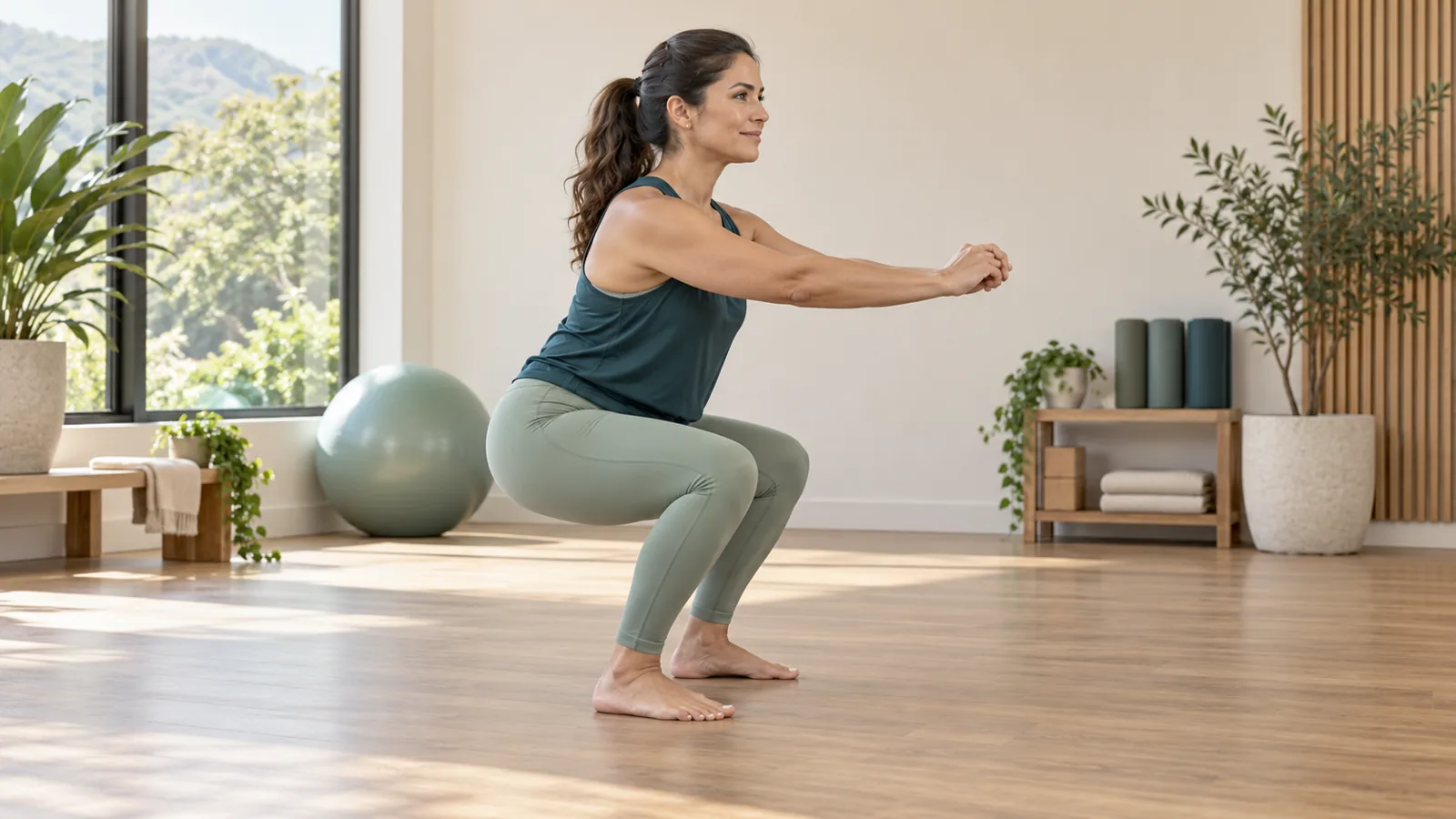
PelviX and toning: what the SHAPE programme offers
Explore PelviX’s focus on buttocks and thighs, and the difference between strength, appearance and pelvic floor training.
Read article →
Vaginal heaviness and pelvic organ prolapse: when to seek advice
Vaginal heaviness deserves attention. Learn what prolapse is and why PelviX does not replace specialist assessment.
Read article →
Your first pelvic floor training session at Pelvi CR
Find out what to expect at your first Pelvi CR visit: a conversation, a safety review and an application if suitable.
Read article →
Those little urine leaks that hardly anyone talks about
Urine leaks when laughing or coughing: understand your questions and learn about Pelvi CR in Pérez Zeledón.
Read article →
After pregnancy, you deserve care too
Pelvic floor and postpartum care: make room for your questions, respect recovery and learn about support at Pelvi CR.
Read article →
Men have a pelvic floor too
Pelvic floor questions for men: urine leaks and a respectful space to learn about Pelvi CR in Pérez Zeledón.
Read article →Keep reading

Who is PelviX for? A guide to suitability
Find out who may consider PelviX, what needs checking before you start, and how it relates to pelvic floor care.
Read article →Those little urine leaks that hardly anyone talks about
Urine leaks when laughing or coughing: understand your questions and learn about Pelvi CR in Pérez Zeledón.
Read article →Back, core and pelvic floor: how they work together
Understand the relationship between the back, core and pelvic floor before considering the PelviX BACK programme.
Read article →PelviX and toning: what the SHAPE programme offers
Explore PelviX’s focus on buttocks and thighs, and the difference between strength, appearance and pelvic floor training.
Read article →
Let’s talk about your goal
Tell us what you would like to improve. We can explain the scope of the service and the review before starting.
Sources and scope
Equipment information: PonteMed Academy training shared for this series. The clinical links below explain general conditions and care; they do not establish specific PelviX outcomes.
PonteMed Academy · Manufacturer information and safety